












CCAA launches 50th Anniversary by honouring Top Programs
|
At the launch of the CCAA's 25th Anniversary, the Association recognized a unique honour – Sport Supremacy. This award was a calculation of the aggregate number of points earned by a member institution's varsity athletics program, based on their performances at CCAA National Championships. To celebrate the launch of the CCAA's 50th Anniversary, the Association revisited the idea of CCAA Sport Supremacy by acknowledging the cumulative achievements of the member varsity programs in each CCAA Sport and in totality from 1974 through 2024. The top 50 Athletic Programs in CCAA History are: |
||
|
1. Humber College |
26. Northwestern Polytechnic (GPRC) 27. Camosun College 28. Algonquin College 29. University of British Columbia - Okanagan 30. Durham College 31. Holland College 32. Champlain College Saint-Lambert 33. Mohawk College 34. Cégep Champlain St. Lawrence 35. St. Clair College 36. Mount Saint Vincent University 37. University of Alberta - Augustana (Camrose) 38. Briercrest College and Seminary 39. Cambrian College 40. Vanier College 41. George Brown College 42. Medicine Hat College 43. Cape Breton University 44. St. Thomas University 45. Lakeland College 46. University of King's College 47. Georgian College 48. Niagara College 49. Collège de Bois-de-Boulogne 50. Cégep de Jonquière |
|
Hosts |
Golf |
|
|
|
|
|
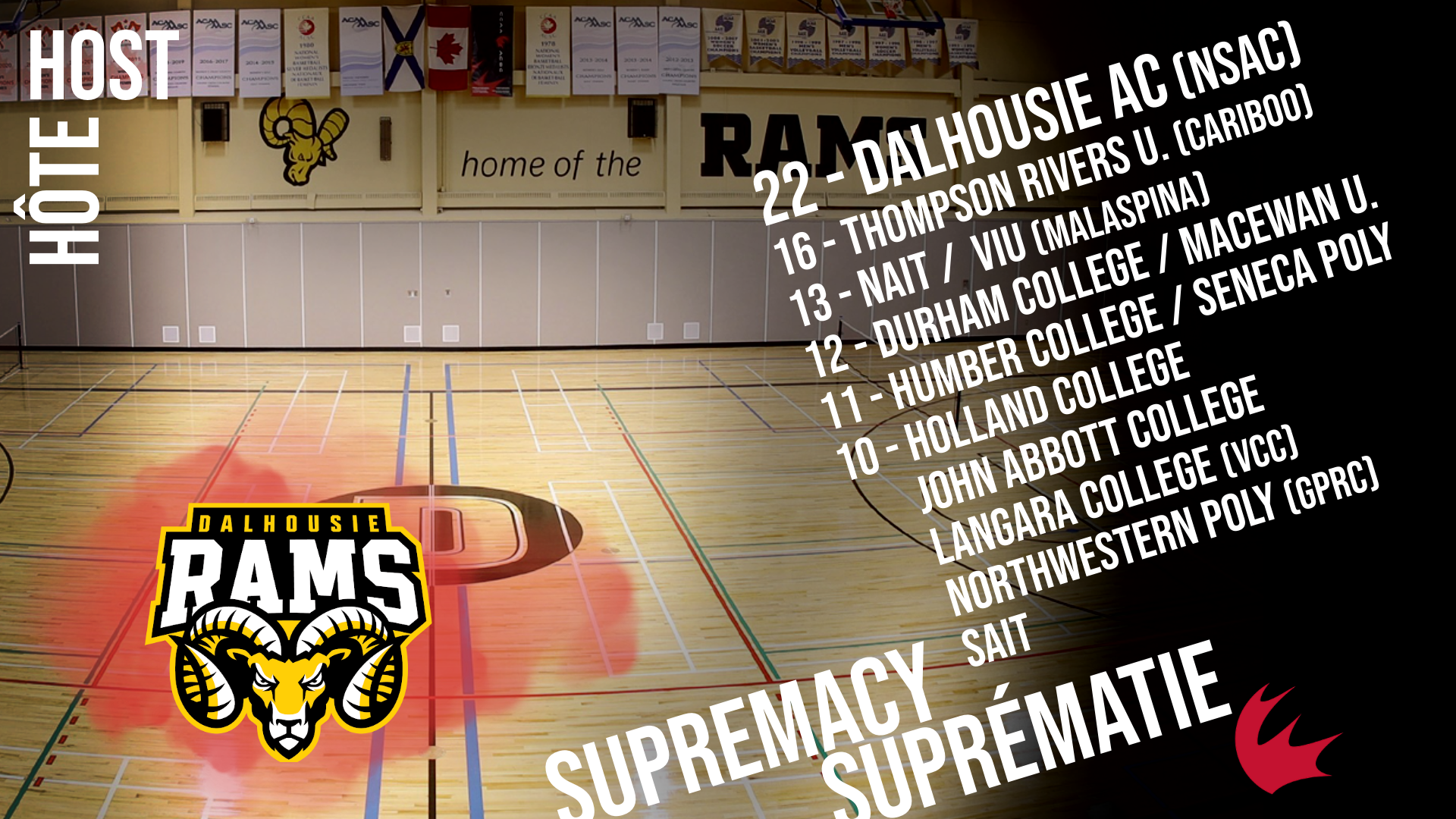
Essential to the presentation of a CCAA Championship is securing an institution willing to accept the responsibility of Hosting. Throughout the Association's history the task of Hosting has been perceived through a variety of lenses: a privilege; a condition of membership; a task beset with financial challenges; an opportunity to showcase a home team and its community; and even access to competition at the national level. Eighty-six institutions have been the host of at least one CCAA Championship, which have been held across nine different provinces. Perhaps most important of all, the act of Hosting has advanced and maintained the connection between the CCAA as a national multi-sport organization and its Member Institutions. |
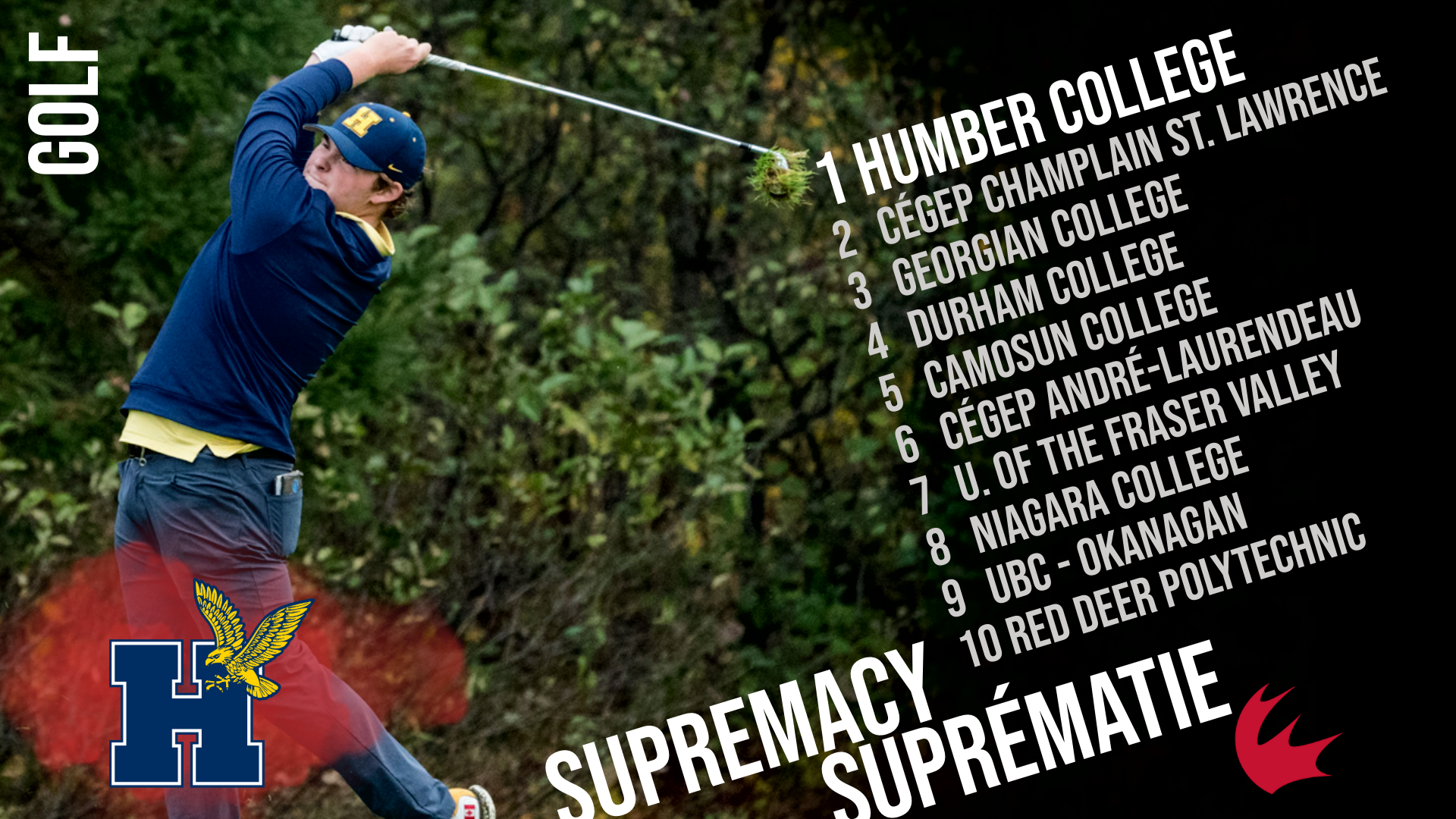
Golf received CCAA consideration when Malaspina offered to host an invitational in 1996, but the first open championship was hosted by Camosun in 2000. Durham would then host back-to-back Championships which included the establishment of an official tournament structure, eligibility requirements, a sport convenor and RCGA rules. PING also joined the championship as a Title Sponsor in 2001, making them the longest serving sport specific CCAA partner. Teams and individuals from Humber, Georgian, Durham and Niagara in the OCAA, Camosun in the PACWEST, and Champlain St. Lawrence in the RSEQ led the charge through the first ten years. UFV, UBCO, Red Deer, Medicine Hat, Niagara, André-Laurendeau, and Holland all began to make their mark as the sport entered its second decade. |
|
Coss-Country Running |
Women's Soccer |
|
|
|
|
|
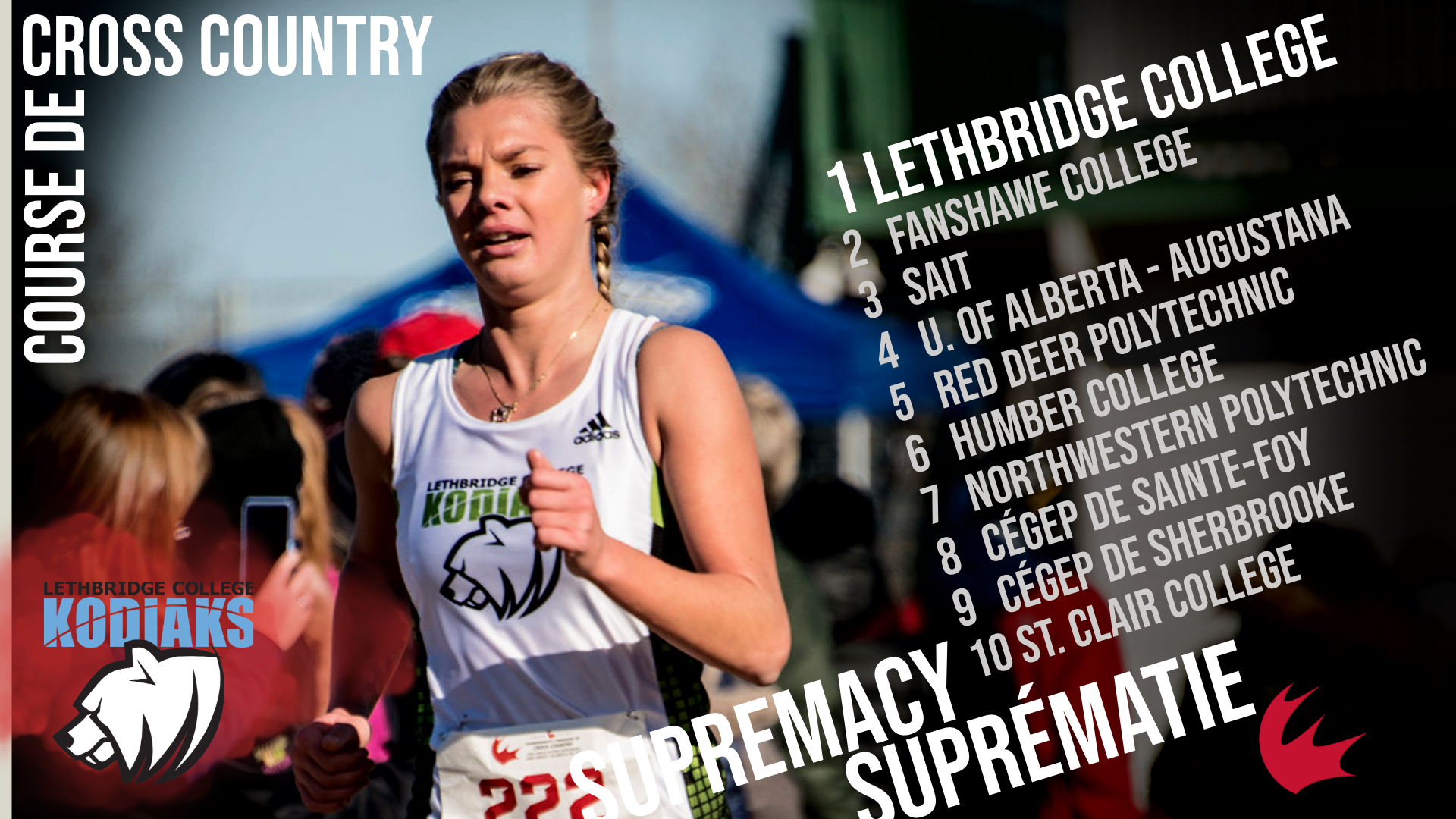
Three conferences (BCCAA, ACAC, and OCAA), 22 teams and 120 runners competed at the first CCAA Cross-Country National Championship hosted by Red Deer College in 2002. Like the sport itself, getting to that point proved to be a long-distance endeavour. Brian Stackhouse of Red Deer College first pitched the idea of a cross-country championship in 1988, and fittingly served as the first host and convenor 14 years later. By the end of its first decade, the Championship exploded in popularity, more than doubling the number of teams and runners. The ACAC was the predominant Conference initially, with teams from Lethbridge and Augustana claiming many spots on the podium across all four disciplines. As participation in the sport grew, SAIT, Red Deer and GPRC also emerged as top Alberta programs while the OCAA was represented by strong performances from Fanshawe, Humber and St. Clair. In the past decade, runners from multiple RSEQ programs have claimed many of the sport's top individual and team finishes. |
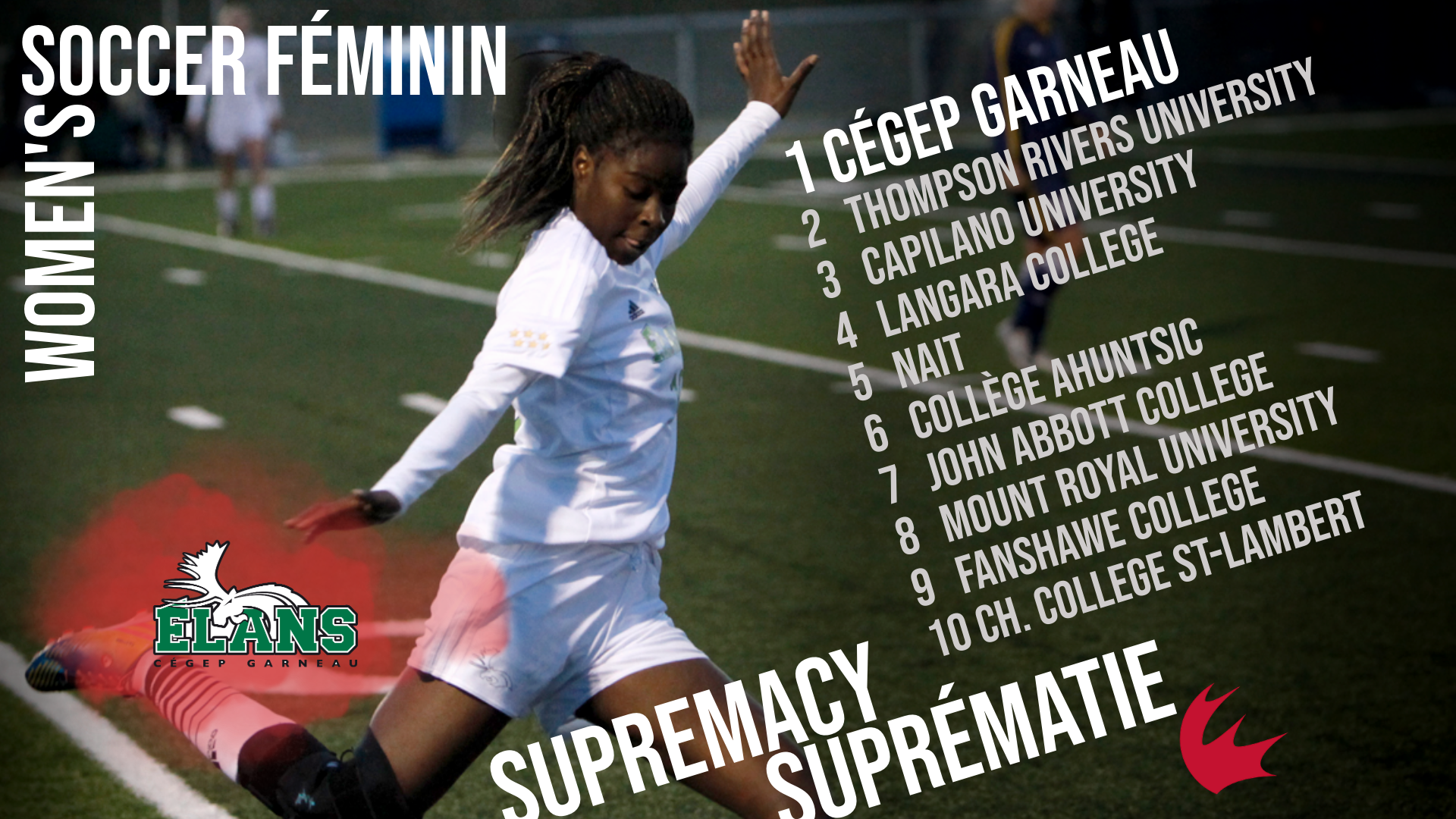
In 1991, the first Women's Soccer National Championship is hosted at Fanshawe College in London, ON and is won by Vancouver Community College (now Langara). The women's championship had been discussed since 1983, but it took eight seasons to reach the minimum number of participating conferences. Through the first third of its history, the sport crowned eight champions from the PACWEST, including five for Capilano in 11 years. Garneau then emerged, claiming six of the next ten gold medals, while Langara earned three in that same period. In 2023 Seneca became the first non-RSEQ team to win a women's soccer championship since 2014. During that span, Quebec teams won a total of 15 women's soccer medals out of 27 - eight gold, five silver and two bronze. |
|
Men's Soccer |
Badminton |
|
|

|
|
|
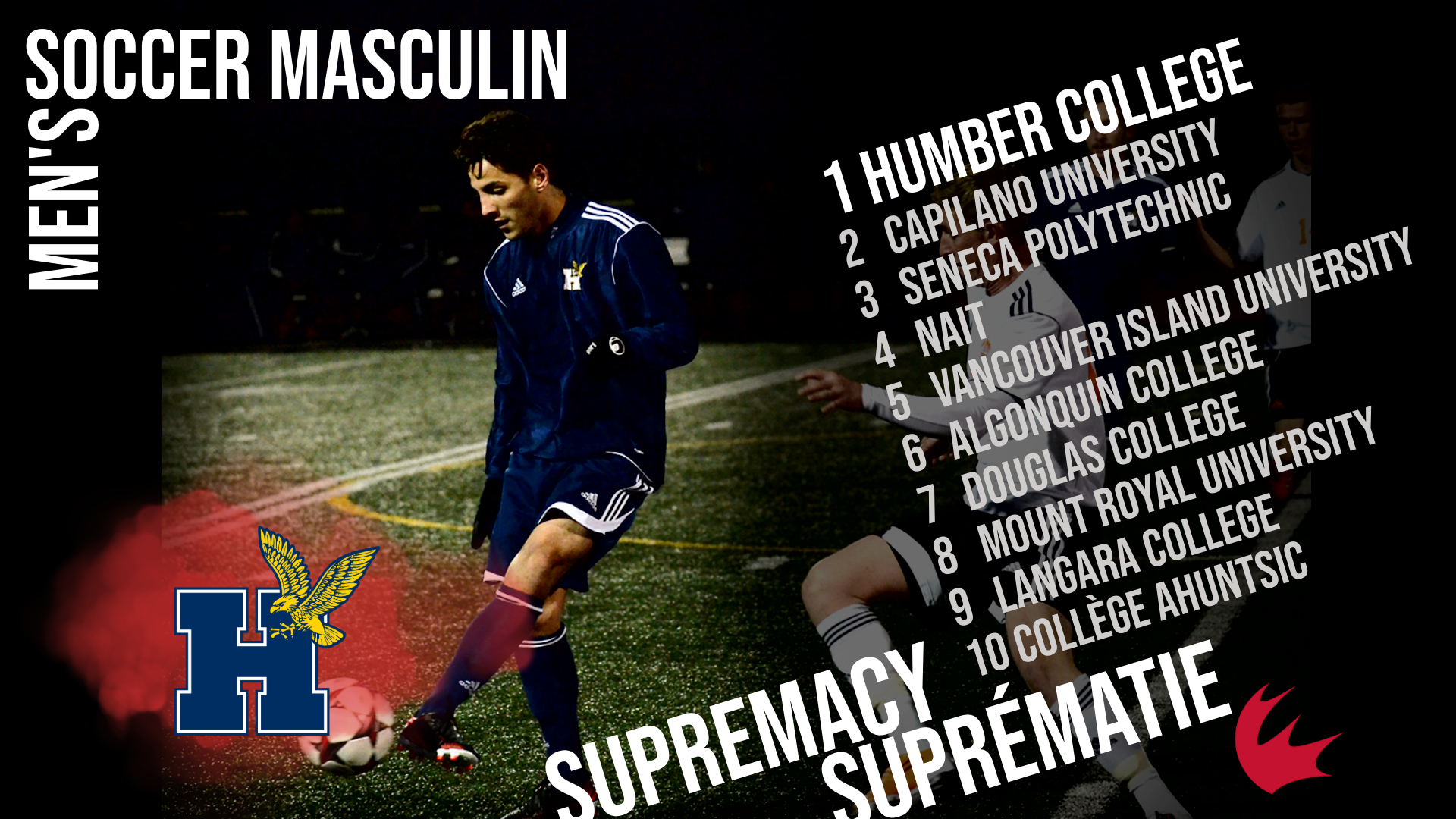
Men's Soccer got its start in 1983 with a six-team invitational tournament hosted by Capilano College, in North Vancouver. Although travel to the west coast was an issue, the event was considered a success with representation from four conferences. Malaspina College (now VIU) defeated Seneca College to be crowned the first CCAA Men's Soccer Champion. |
Badminton has one of the longest histories of any CCAA sport, having ranked second on the 1973 Championship Priority list, which pre-dated the Association's founding. Despite the obvious demand it would take several years for a National Championship to become official. Centennial College and Cégep de Sainte-Foy hosted invitational events in 1980 and 1981 respectively and the first CCAA Championship was hosted at Georgian College in 1982. Through the 1980s, individuals and teams from the FASQ (RSEQ) earned more than half of the championship medals. Led by programs from Sainte-Foy, Garneau and Limoilou, Quebec remained strong into the 90s but the BCCAA (PACWEST) emerged as the dominant Conference behind teams from Malaspina (VIU), Langara and Douglas College in particular. The 2000s saw another major shift in the sport as the Quebec teams no longer competed at the CCAA level and ACAC teams like Mount Royal and NAIT rose to prominence. As the sport entered it's fourth decade the championship momentum shifted again to teams from the OCAA such as Humber, Seneca and Cambrian. |
|
Women's Volleyball |
Men's Volleyball |
|

|
|
|
|
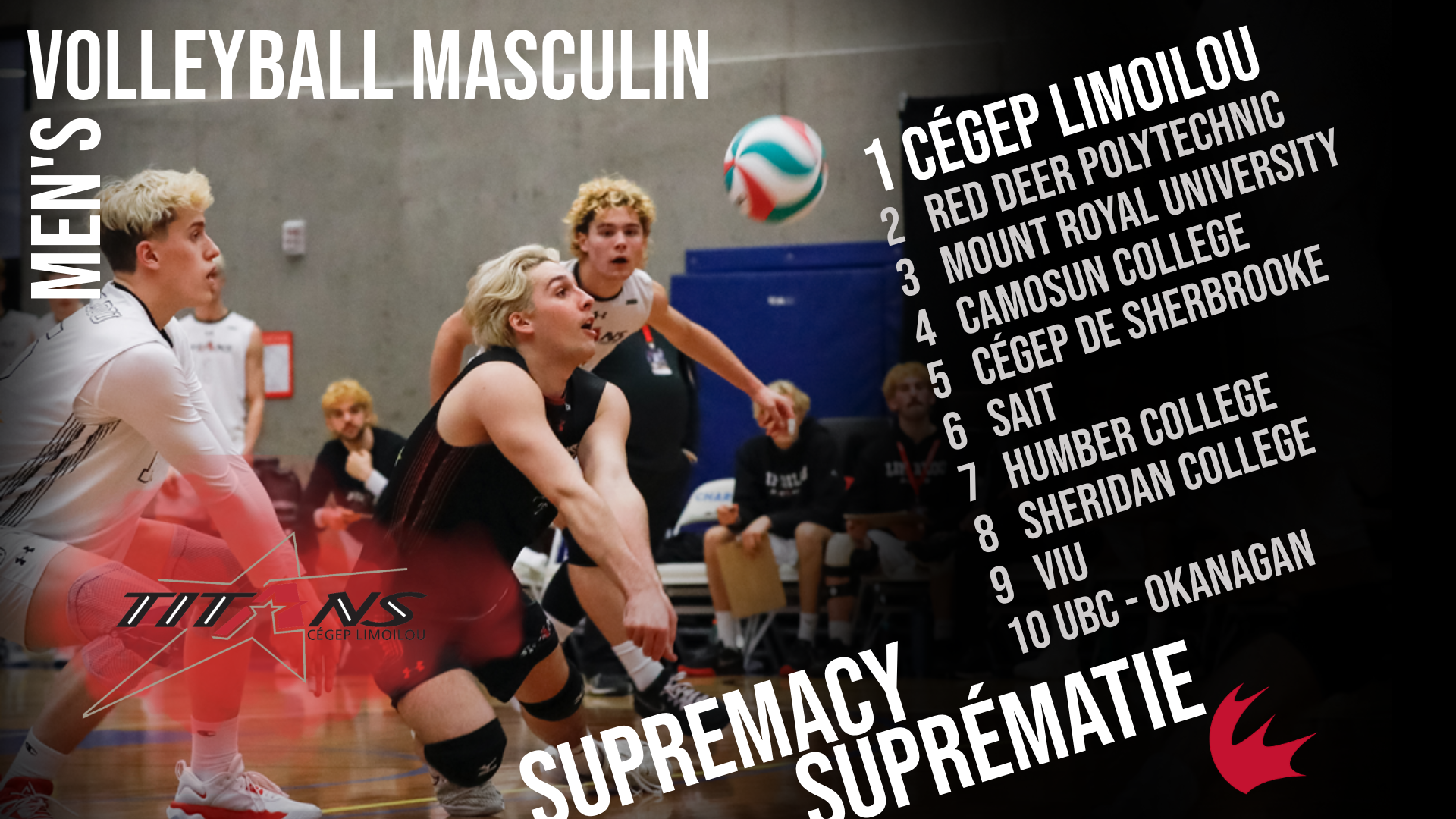
In 1978, the CCAA increased its number of annual events from two to four with the introduction of the first two Women's National Championships. The occasion was also unique in that the FASCQ (RSEQ) Conference hosted all four championships in Montreal and branded the event as the CCAA Festival of Sport. The Women's Volleyball competition featured six teams and the Cégep de Jonquière earned the first gold medals in the sport. For almost thirty years the sport was dominated by RSEQ teams. In that time Bois-de-Boulogne claimed three championships, Jonquière won four, Garneau earned nine, and Sherbrooke claimed an incredible 12 championships. In the year's since, ACAC and PACWEST teams have traded turns atop the podium with VIU collecting seven of those championships. |
A year after women took the national stage, Men's Volleyball also received designation as a CCAA National Championship. In 1979, the FASCQ (RSEQ) Conference hosted a second consecutive CCAA Festival of Sport in Montreal with six teams competing in Men's Volleyball. |
|
Women's Basketball |
Men's Basketball |
|
|

|
|
|
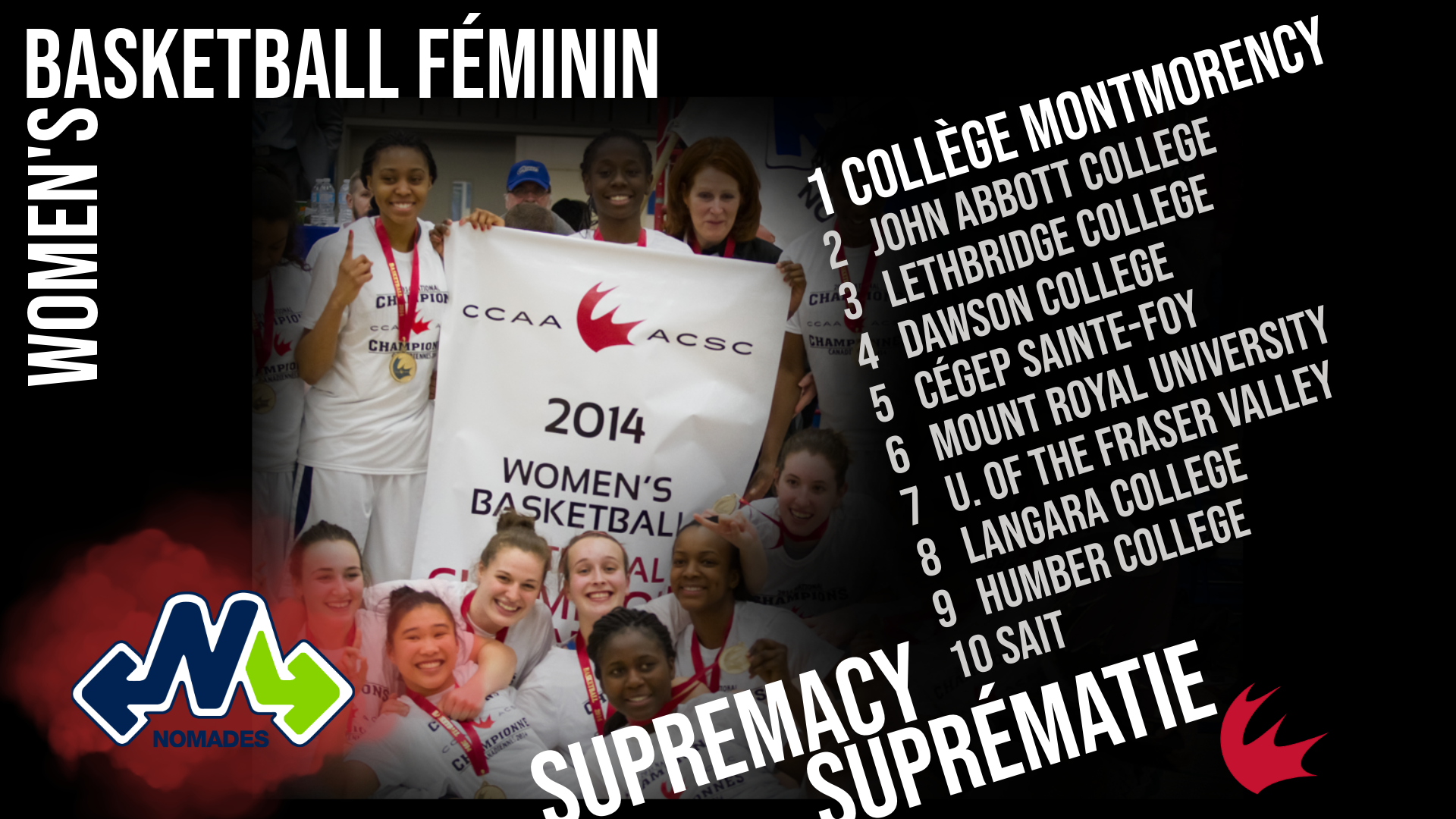
In 1978, Women's Basketball was added to the calendar and included as part of the CCAA's Festival of Sport. Hosted within the Olympic Velodrome, John Abbott College earned the first gold medals at the six-team championship. John Abbott set the standard for the sport, winning the first three championships, followed by four more in the 1980s and then another three in the 1990s for a total of ten in 20 years. The mid to late 90s saw a changing of the guard as another RSEQ team rose to prominence. Collège Montmorency followed up John Abbott's feat with a run of their own winning nine CCAA gold medals, three silver and three bronze over a similar timespan. While programs from all Conferences have experienced periodic CCAA women's basketball triumph none have experienced the same dynastic excellence as these two programs. |
In the early 1970s, a Men's Basketball National Championship was identified as the number one priority for the various regional conferences. With that direction the first CCAA Championship is hosted at the end of the 1974-75 season by Mount Royal College in Calgary, AB. The four competing conference champions were Vancouver City College of the 4-West, George Brown College of the OCAA, Dawson College of the FASCQ, and Nova Scotia Agricultural College of the NSCC. George Brown won the first CCAA Championship title but unlike other sports, no one Conference or team would dominate the podium. Dawson, Fanshawe, SAIT and Sheridan each won multiple titles and medals as the sport entered the 90s but Humber's threepeat from 1991-93, and a fourth championship in 1995, was the first instance of sustained success. Langara won back-to-back in 1998 & '99 while Montmorency, UFV, NAIT and VIU would go on to be multi time champs, but the sport maintained relative parity as it progressed through the new millennium. |
|
Curling |
Men's Hockey |
|
|
|
|
|
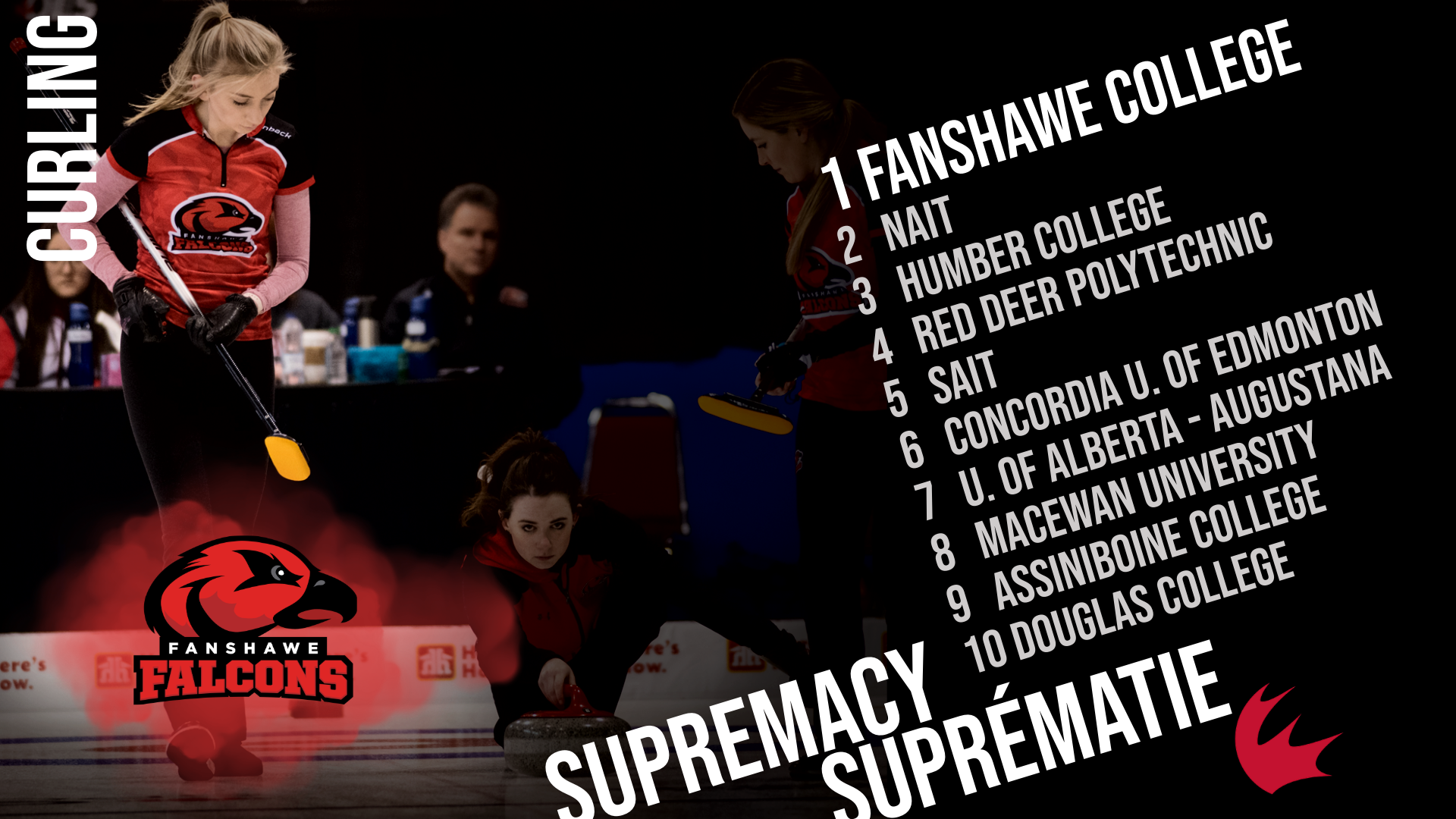
Assiniboine College of Brandon, MB hosted a national invitational curling event in 1983 which featured a round-robin structure in women's, men's and mixed competition. The event was highly regarded and the first official CCAA Curling Championship was held the following year at Cariboo College in Kamloops, BC. The Championship ran under this format for seven seasons and featured teams and strong performances from across the CCAA membership including the former Prairie Athletic Conference of Saskatchewan. After a twenty-two year absence, Fleming College hosted a revived CCAA Curling Championship in 2012, which featured sixteen teams from the OCAA, ACAC and ACAA conferences competing in a round-robin and playoff tournament. A National Championship review updated the requirements for CCAA Championship status which put the sport of Curling in jeopardy again due to the lack of Conferences participating. However, Curling Canada entered the scene at the opportune time with a proposal to host collaborative championships, which is the format the sport has used since 2018. |
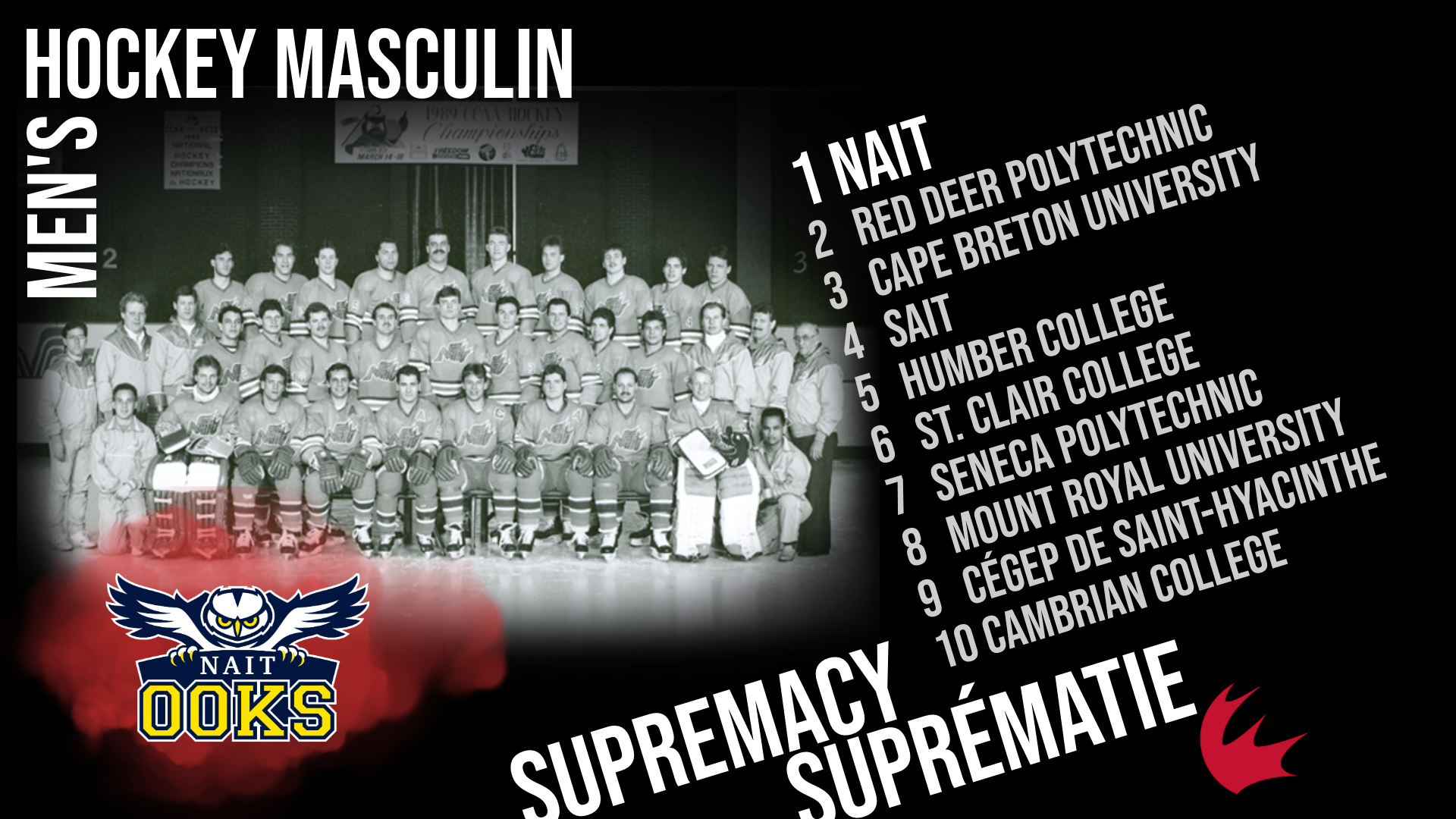
To cap the CCAA's premier 1974-75 season, the College of Cape Breton of the NSCC hosts the first CCAA Men's Hockey National Championship in Sydney, NS. The other regions were represented by Camrose Lutheran College of the 4-West, St. Clair College of the OCAA, and the Cégep St. Laurent of the FASCQ. Camrose defeated St. Clair for the gold medal while the hosts claimed the bronze. Men's Hockey experienced over a decade of healthy competition from across the country but by the end of the 1980s multiple Conferences ceased their participation and the CCAA Championships were put on ice. CCAA Men's Hockey Championships returned from 1996 through 2001 but only featured teams from the ACAC and OCAA, and this lack of competition once again led to the sports demise at the CCAA level. |
|


